Sometimes I wonder: what does it really mean for girls to have access to education in Nigeria?
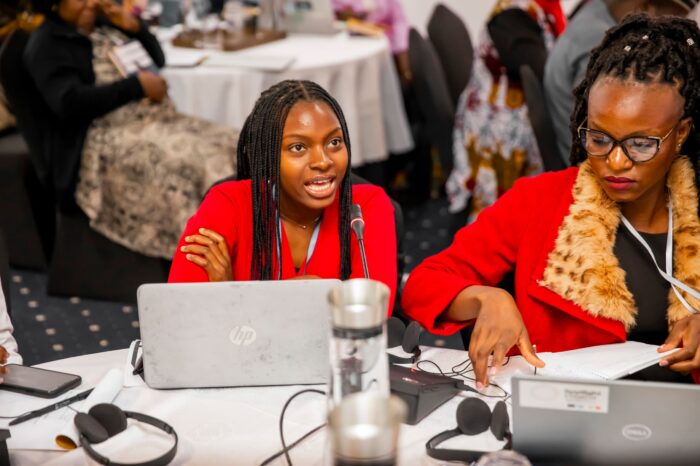
Reflecting on the 2025 FEMNET4GTE Regional Action Workshop I attended in Nairobi is an experience I have not recovered from. One story I heard there has refused to leave my mind. In South Sudan, people say beautiful girls don’t need togo to school—only “ugly” girls should. At first, I laughed in disbelief, but then it hit me: don’t we have our own versions of this in Nigeria? Maybe not in the exact words, but in the way parents push boys toward science and girls toward “easier” subjects, or in how a girl’s marriage is celebrated more loudly than her degree.
And that’s when I realized: education is not just about putting girls in classrooms. It is about what those classrooms do for them or sometimes, what they fail to do. Education isn’t just about access. It’s about transformation.
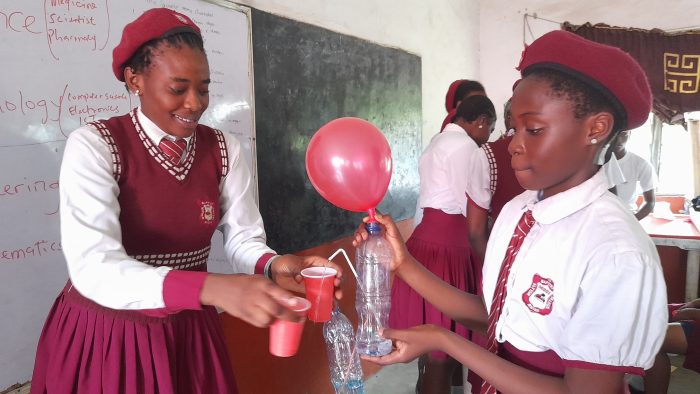
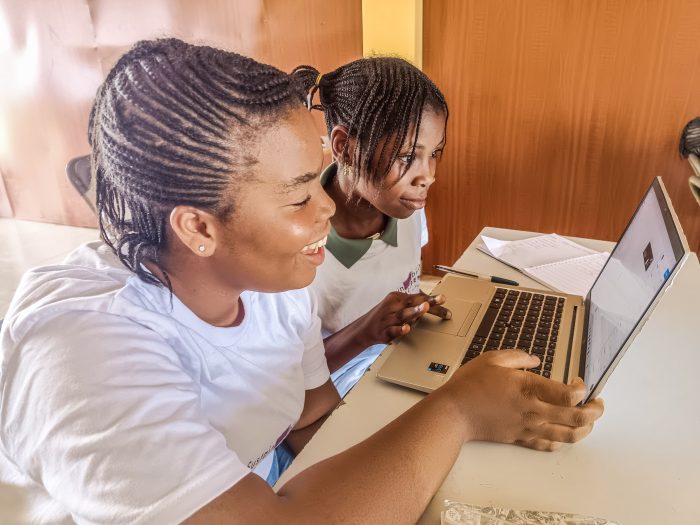
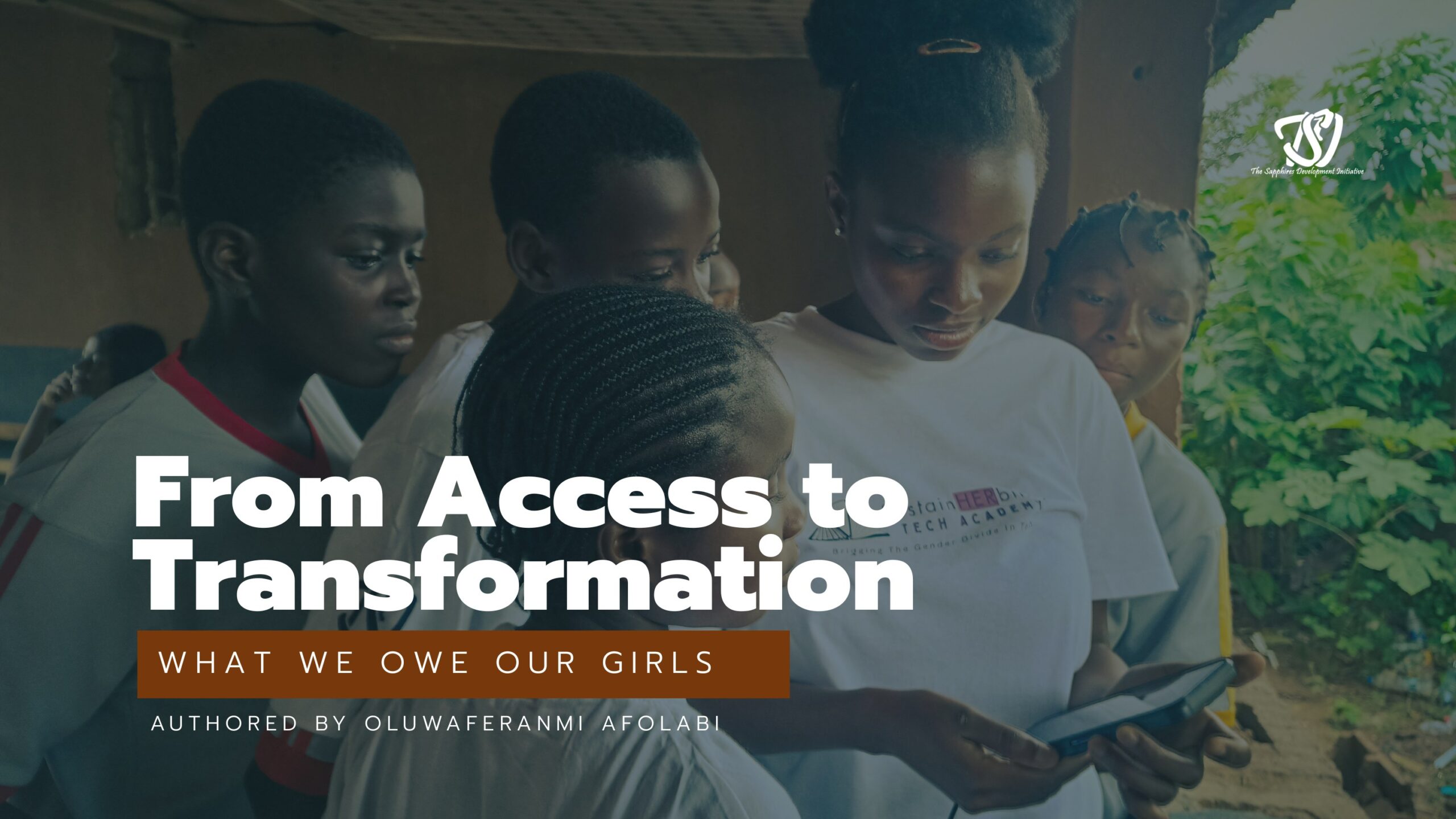
At The Sapphires Development Initiative (TSDI), this is the journey we have already started. When we launched STEMXX Nigeria, we weren’t just teaching rural girls how to use digital tools, we were rewriting the narrative that technology belongs only to boys. When we started the SustainHERbility Tech Academy, we weren’t simply running coding classes, we were building a movement where girls learn, innovate, and lead tech-based solutions in their own communities.
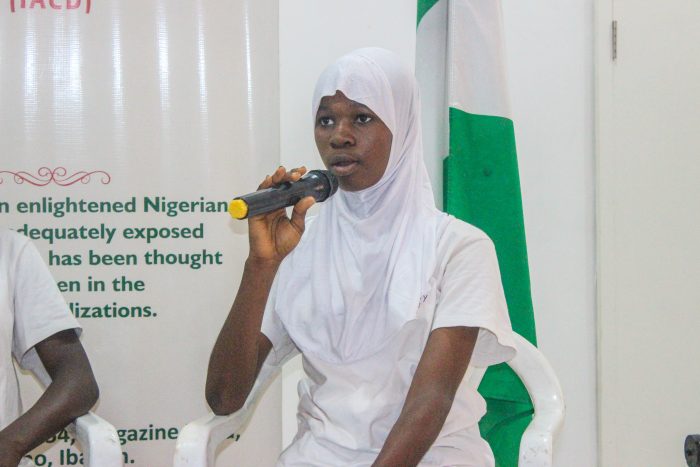
I have seen the change with my own eyes. I have watched girls who had never touched a computer co-create apps for gamified STEAM (Science, Technology, Engineering, Arts and Mathematics) learning. I have seen shy voices grow into confident leaders, ready to stand before their communities and challenge harmful norms. I have seen females lead projects to educate and inspire other peers and this is very exciting.
But here’s the uncomfortable truth: programs like ours are still the exception, not the rule. For too many rural girls, digital exclusion, gender stereotypes, and systemic neglect are everyday barriers. And that’s why the FEMNET4GTE workshop left me both inspired and restless. Because while we celebrate our progress at TSDI, we also know the bigger fight is yet to be won.
Gender-transformative education means this: classrooms that don’t just admit girls, but empower them. Curricula that don’t just teach facts, but dismantle stereotypes. Policies that don’t just exist on paper, but protect girls from early marriage, exclusion, and silence.
So yes, I am proud… proud that TSDI has already lit a spark, proving that rural girls can thrive when given the chance. But I am also convicted, because for every girl we’ve reached, there are thousands still waiting.
And that brings me back to the question I can’t shake: what good is it to put girls in school if the school does not put power in them?
That is the vision TSDI is carrying forward. To move Nigeria (and Africa) beyond access, toward transformation. Because access without transformation is not equality; it is only the beginning.
Thank you Oluwaferanmi Afolabi for the reminder and I’m so glad for the work TSDI is doing 👏🏾👏🏾👏🏾
This is the kind of transformation we need more of, for our girls💯💯
Access is truly the beginning but girls need to be more empowered to transform their futures.




Thank you Oluwaferanmi Afolabi for the reminder and I’m so glad for the work TSDI is doing 👏🏾👏🏾👏🏾
This is the kind of transformation we need more of, for our girls💯💯
Access is truly the beginning but girls need to be more empowered to transform their futures.